
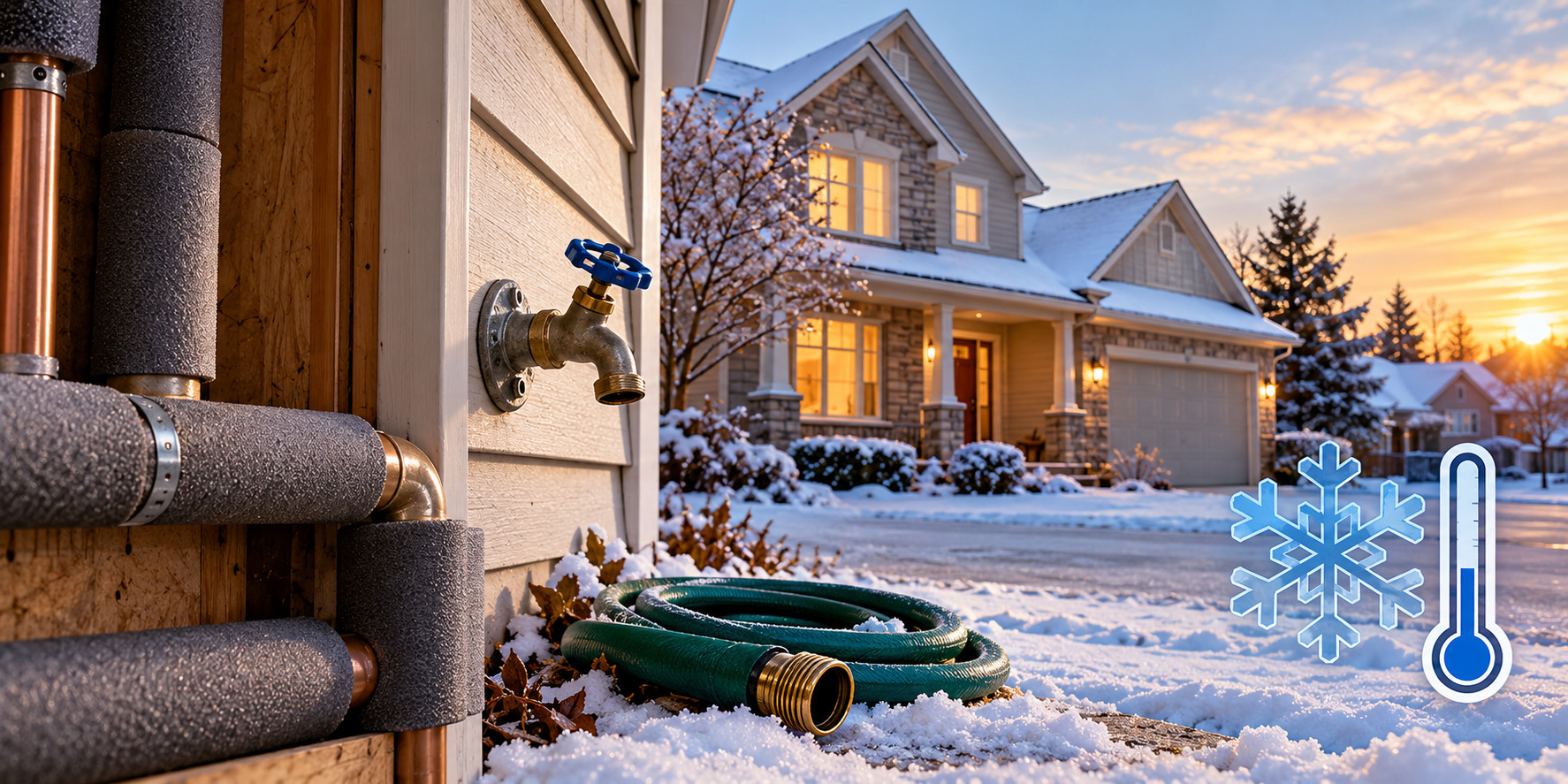
Winter weather in Garden City, Kansas, can change quickly. A mild afternoon may be followed by freezing temperatures, strong winds, and several bitterly cold nights. While most homeowners prepare by checking their heating systems and sealing drafty windows, household plumbing often gets less attention.
When water freezes inside a pipe, it expands. Pressure can build and cause the pipe to crack or burst. Once the ice melts, water may leak into walls, floors, cabinets, and other parts of the home.
Imagine waking up on a cold January morning and turning on the kitchen faucet. Instead of a steady stream, only a few drops come out. The cause could be a frozen pipe inside an exterior wall. If it breaks, water damage may begin before you notice a leak.
Many frozen pipe problems can be prevented. If you want to prevent frozen pipes in Garden City, KS, these seven tips will help you prepare your plumbing, spot warning signs, and know what to do if water damage occurs.
Key Takeaways
- Protect exposed pipes in garages, crawl spaces, attics, and exterior walls with insulation and by sealing cold-air gaps.
- Disconnect garden hoses, drain outdoor connections, and winterize sprinkler systems before the first hard freeze.
- Keep indoor heat steady, even when you travel. Some homes need a thermostat setting higher than 55°F.
- Find and label the main water shutoff valve so you can act quickly if a pipe bursts.
- Watch for low water pressure, frost on pipes, and leaks, including leaks that appear after thawing.
- Call a plumber for pipe repairs and a water mitigation company when water soaks building materials.
- Prepare before cold weather arrives to reduce the risk of repairs and disruption.
1. Insulate Exposed Pipes Before Winter Arrives
Not every pipe in your home faces the same freezing risk. Pipes inside heated rooms usually stay warm enough to avoid problems. Pipes in garages, crawl spaces, attics, and exterior walls may be exposed to much colder air.
Small gaps around plumbing can make the problem worse. Cold air may enter through openings in walls, floors, or foundations. During a Garden City cold snap, strong winds can push freezing air into these spaces. A pipe may freeze even when the rest of your home feels comfortable.
Find Pipes That Need Protection
Start by checking areas that receive little or no heat. Look for exposed pipes in the garage, basement, crawl space, and utility room. Pay special attention to plumbing near outside walls and places where you feel cold drafts.
Foam pipe insulation sleeves fit around exposed pipes and help slow heat loss. Sealing gaps around plumbing can also help keep cold air out. Use materials suited to the location. If a pipe has frozen before, ask a licensed plumber about approved heat cables or other ways to protect it.
Insulation does not create heat. During a long period of extreme cold, even insulated pipes can freeze. Checking your plumbing in the fall gives you time to fix weak spots.
2. Disconnect Garden Hoses and Drain Outdoor Water Connections
Leaving a garden hose attached to an outdoor faucet may seem harmless, but water can remain trapped inside the hose or faucet. When that water freezes, it expands. The pressure may damage the faucet or the pipe connected to it.
A crack can form during freezing weather without an obvious leak. When the ice melts, water may begin entering an exterior wall.
Make Hose Removal Part of Your Fall Routine
Before the first hard freeze, walk around your home and disconnect every garden hose. Drain each hose and store it in a garage or shed. Remove spray nozzles, hose splitters, and watering timers because these attachments can trap water.
This step also matters for frost-free faucets. Although they are designed to reduce freezing risk, an attached hose can keep them from draining properly.
For example, a homeowner might leave a hose connected throughout December. During a cold spell, water freezes inside the faucet. Weeks later, the homeowner turns on the water and discovers a wet spot inside the house. Removing the hose could have helped prevent the damage.
3. Winterize Outdoor Faucets and Sprinkler Systems
Removing hoses is a good first step, but other outdoor plumbing may need attention. Garden City homes may have outdoor faucets, lawn sprinkler systems, or water lines that run through cold spaces. Water left in these lines may freeze and damage pipes, valves, or equipment.
Protect Outdoor Faucets
Some homes have indoor valves that shut off the water supply to outdoor faucets. If yours does, you may be able to turn off the water and drain the outside line. The right steps depend on the plumbing. Ask a licensed plumber if you are unsure.
Insulated faucet covers can provide extra protection, although they cannot prevent every freezing problem. Check faucets for drips, cracks, and loose parts before winter.
Prepare Sprinkler Systems for Cold Weather
Sprinkler systems can hold water in pipes and valves even after they are turned off. Some systems need draining, while others require a trained professional to remove water with special equipment.
Do not try to clear sprinkler lines with compressed air unless you have the proper training and tools. Too much pressure can cause damage or injury. Arrange winterization before long periods of freezing weather.
4. Keep Your Home Warm, Even When You Are Away
Your heating system also protects the pipes inside your home. When indoor temperatures fall too low, pipes near exterior walls may freeze. This can happen if the thermostat is set too low or the heating system stops working, especially when nobody is home.
How Warm Should Your Home Stay?
A common winter recommendation is to keep the thermostat at 55°F or higher when you are away. Some homes need more heat. Pipes in poorly insulated walls or unheated spaces can freeze even when the thermostat reads 55°F.
During very cold weather, keep indoor temperatures steady. Open cabinet doors beneath sinks on exterior walls to let warm room air reach the pipes. Move cleaning products out of reach of children and pets. Keep garage doors closed when water lines run through the garage, and check for drafts around plumbing.
Leaving Town During Winter?
Before traveling, make sure your heating system works. Ask someone you trust to check the house while you are away. A smart thermostat or low-temperature alarm may alert you if the heat stops working.
For longer trips, ask a plumber whether shutting off and draining the water system makes sense. A little planning can help you avoid returning to a broken pipe and soaked floors.
5. Know Where Your Main Water Shutoff Valve Is Located
If a pipe bursts, stopping the water flow is one of the first steps you should take. Searching for the main shutoff while water spreads across the floor can waste valuable time. Find it before an emergency.
Where Should You Look?
The main shutoff valve is often near the point where the water line enters the home. It may be in a basement, crawl space, utility room, or another plumbing area. Some valves have round handles; others have levers.
If you are unsure which valve controls your home’s water, ask a licensed plumber to show you. Do not force a stuck or damaged valve. Label it clearly and show other responsible household members how to use it.
Why Every Minute Matters
Imagine a pipe breaking beneath your bathroom sink. Water begins spreading across the floor and into the hallway. If you know where the main shutoff is, you can stop the water supply quickly.
Shutting off the water will not repair the pipe or dry the floor, but it can limit how much water enters your home. This knowledge is useful all year.
6. Learn the Warning Signs of Frozen Pipes
A frozen pipe does not always make noise or show a crack. Often, the first sign is a change in water flow. You may turn on a faucet and notice low pressure or no water at all. Ice may be blocking part of the pipe.
Other Signs to Watch For
During freezing weather, watch for frost on exposed pipes, damp spots near a wall, or water stains inside a cabinet. In serious cases, you may see a crack or water leaking from a pipe.
Some frozen pipes are hidden inside walls or beneath floors. A sudden drop in water pressure deserves attention, especially after several cold nights.
What Should You Do if a Pipe Freezes?
Check whether other faucets work normally. Locate your main shutoff valve so you can stop the water if a leak begins. If you discover a broken pipe or leaking water, shut off the supply when it is safe.
Never use a torch, open flame, or high-heat tool to thaw a pipe. These methods can cause fires or damage plumbing. If the pipe is hidden inside a wall or you are unsure what to do, contact a licensed plumber.
Keep checking the area after temperatures rise. A pipe may crack while frozen but not leak until the ice melts. Watch for wet spots, water stains, and changes in pressure.
7. Make a Plan for Burst Pipes and Water Damage
Even a well-maintained home can have a pipe freeze during a severe storm. Every homeowner should know how to stop the water, whom to call, and what to do first.
Before winter, save contact details for a licensed plumber and a water damage mitigation company. Review your insurance policy so you know how to report damage. Move valuable belongings away from exposed pipes in garages, basements, and storage areas.
What to Do if a Pipe Bursts
Safety comes first. If water is near electrical outlets, appliances, or electrical panels, stay away. Do not walk through standing water if there may be an electrical hazard.
If you can safely reach the main water shutoff, turn it off. Contact a licensed plumber to repair the pipe. When safe, take photos of affected rooms and materials for your records and insurance company. Move dry belongings away from the wet area if you can do so safely.
After the leak stops, check how far the water has spread. Carpet, drywall, cabinets, and the space beneath flooring may need professional drying. A plumber repairs the pipe; a water mitigation company addresses the water damage.
When Should You Call a Professional Water Mitigation Company?
A frozen pipe does not always lead to major damage. If you catch it before the pipe breaks, a plumber may fix the problem without much cleanup. But when water enters walls, floors, or other building materials, the problem becomes harder to solve.
You may dry the floor with towels and think the job is finished. Water may still be trapped beneath flooring or behind baseboards.
Why Hidden Water Is a Problem
Many building materials absorb water. Carpet padding can hold moisture long after the carpet feels dry. Drywall can absorb water from the floor, and cabinets and wood trim may remain damp.
If these materials do not dry properly, they may break down. Damp areas can develop odors or support mold growth.
Learn how professional water damage mitigation services can help locate and remove water that household cleanup may miss.
How Phoenix Restoration Helps
Phoenix Restoration & Roofing helps property owners deal with water damage after burst pipes and other unexpected leaks. The work begins with an inspection and a record of the damage. Technicians may use moisture meters and other tools to find water in floors, walls, and nearby materials.
Standing water is removed. Air movers and dehumidifiers may then help dry the affected space. The team checks moisture levels during drying. Materials that cannot be saved may need to be removed.
Phoenix focuses on limiting further damage, drying affected areas, and keeping clear records. The team can help with damage documentation and communication during the insurance claim process. Once the property is stable and dry, the homeowner’s chosen contractor can handle any needed rebuilding.
When damp materials have led to mold problems, professional mold remediation services may also be needed.
Watch for Other Winter Water Problems
Frozen pipes are not the only cause of winter water damage. Strong winds, snow, and ice can damage roofing materials. When snow or ice melts, water may enter through damaged areas of the roof.
After a winter storm, look for new stains on ceilings, damp walls, or water around windows. Do not climb onto an icy roof. Inspect from the ground and call a roofing professional when needed. Finding the water source and drying wet materials can help prevent further damage.
For water intrusion after severe weather, read about storm damage restoration services and the next steps for affected properties.
Conclusion: Protect Your Garden City Home Before the Next Freeze
Cold weather is part of life in Garden City, but many frozen-pipe problems can be prevented with simple home care. Insulating exposed pipes, removing hoses, draining outdoor lines, and keeping your home warm can lower the risk.
Know where your main water shutoff is. Walk through your home before the next cold front and look for plumbing that needs protection. A little preparation could help you avoid days of cleanup and repairs.
Even with good planning, accidents happen. If a frozen or burst pipe sends water into your home, do not assume wet materials will dry on their own. Water can remain inside walls and beneath floors long after surfaces look dry.
Need Help With Water Damage in Garden City?
Phoenix Restoration & Roofing provides professional water damage mitigation to help homeowners recover from unexpected leaks and burst pipes. Our team works to remove water, dry affected areas, document damage, and explain the next steps.
Protect your home before winter weather causes unexpected damage. Visit https://www.phoenixrestoration.com/ or call 877-662-0108 for a free consultation about our water damage mitigation services.
Phoenix Restoration & Roofing — Rising from every disaster. Every time.
Frequently Asked Questions
At What Temperature Can Pipes Freeze?
Water freezes at 32°F, but household pipes do not always freeze as soon as outdoor temperatures reach that point. The risk depends on how long the cold lasts, insulation, and how much warmth reaches the pipes.
Should I Leave a Faucet Dripping During Cold Weather?
A small trickle may help lower freezing risk in some pipes, but it does not guarantee protection. Insulation, indoor heat, and proper winter care still matter. Follow local water utility guidance.
Can a Pipe Start Leaking After It Thaws?
Yes. A pipe can crack while water inside is frozen. Ice may block the leak until it melts. Check exposed pipes and nearby areas after temperatures rise.
Will Homeowners Insurance Pay for Frozen Pipe Damage?
Some policies cover sudden water damage from frozen or burst pipes. Coverage depends on your policy and the circumstances, including whether a home was left empty or without heat. Contact your insurer for details.
Should I Call a Plumber or a Water Damage Company?
Call a licensed plumber for frozen or broken plumbing. If water has soaked floors, walls, insulation, or other materials, a mitigation company may also be needed. The plumber repairs the line; the mitigation team addresses the water left behind.
This article is a collaboration between Phoenix Restoration and Roofing and OpenAI’s ChatGPT. Created on Oct 26, 2026, it combines AI-generated draft material with Phoenix’s expert revision and oversight, ensuring accuracy and relevance while addressing any AI limitations.
Recommended Reading
Extreme Cold — National Weather Service
Covers pipe insulation, outdoor water connections, sprinkler winterization, and cold-weather preparation. Useful for property managers and maintenance teams developing seasonal inspection procedures.
https://www.weather.gov/media/aly/WinterPreparednessNY_presentations/Extreme%20Cold.pdf
Essential Tasks After It Warms Up — National Weather Service
Explains why plumbing inspections remain necessary after freezing weather ends and outlines precautions for frozen pipes. Relevant to facility operators and emergency response planning.
https://www.weather.gov/safety/cold-after
Water Damage — Cleanup and Mold Prevention — U.S. Environmental Protection Agency
Provides material-specific guidance for responding to clean-water damage, including carpet, insulation, concrete, and wood. Useful for mitigation technicians, adjusters, and property managers.
https://www.epa.gov/sites/default/files/2014-08/documents/table1.pdf
